Disruption implies you're in the game. Being passed by is worse — and more likely. The organizations AI rewards are the ones that can see their own thinking. We build that map.
Start the map Keep readingWhat is your company worth if AI simply passes it by?
Every leader is asking what AI will cost to adopt. That's procurement thinking — comparing vendors, running pilots, delaying. The sharper question runs the other direction. Inaction has a price. It just doesn't send an invoice.
AI is a mirror. It can only work with what your organization actually knows about itself — and most companies are illegible to themselves. The real decisions, the contradictions, the tribal knowledge: it lives in hallways and heads, not in any system.
So the work doesn't start with tools. It starts with a map of what your people are actually doing and thinking. The map precedes the machine.
We recently mapped a Midwest manufacturer — a strong, growing company. Ten people, one conversation each, fifteen minutes to an hour. Here is a fraction of what surfaced. See if any of it sounds familiar.
Their entire technical knowledge base is one employee who learned the products by physically building them for a decade. The mechanical logic he carries isn't written in any manual. He is the manual.
A single manager holds so much of the decision-making that a short absence creates a backlog across departments. Nobody designed it that way. Growth did.
Small tasks snowball because no one can see the whole process. The field knows the urgency; the office follows the queue. Both are doing their jobs. The map between them is missing.
Sixteen years of customer history kept in a paper notepad. A predecessor's territory that went quiet for two years. A president's retirement after nearly two decades. What they knew left with them.
None of this was in a system. All of it was in people. Ten conversations made it visible — and what a leader can see, a leader can lead.
There was one more finding, and it's the one that changes the math. Two of the ten had already started using AI on their own — personal accounts, no oversight, because no one had given them a sanctioned path yet. That's not a failure of the people. It's what capable employees do while leadership waits. The map is how a leader gets in front of the AI adoption that's already underway in their company, instead of discovering it later.
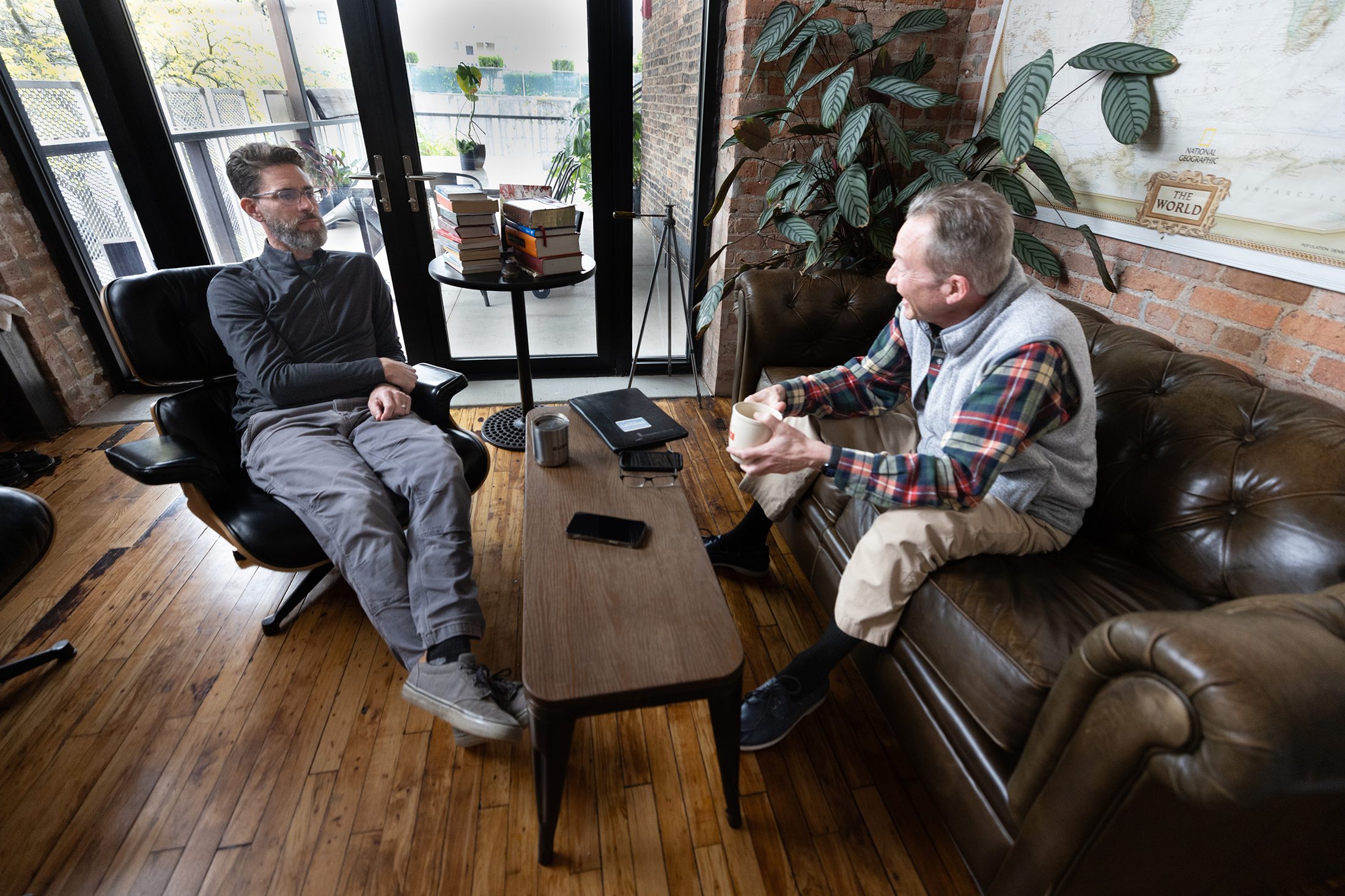
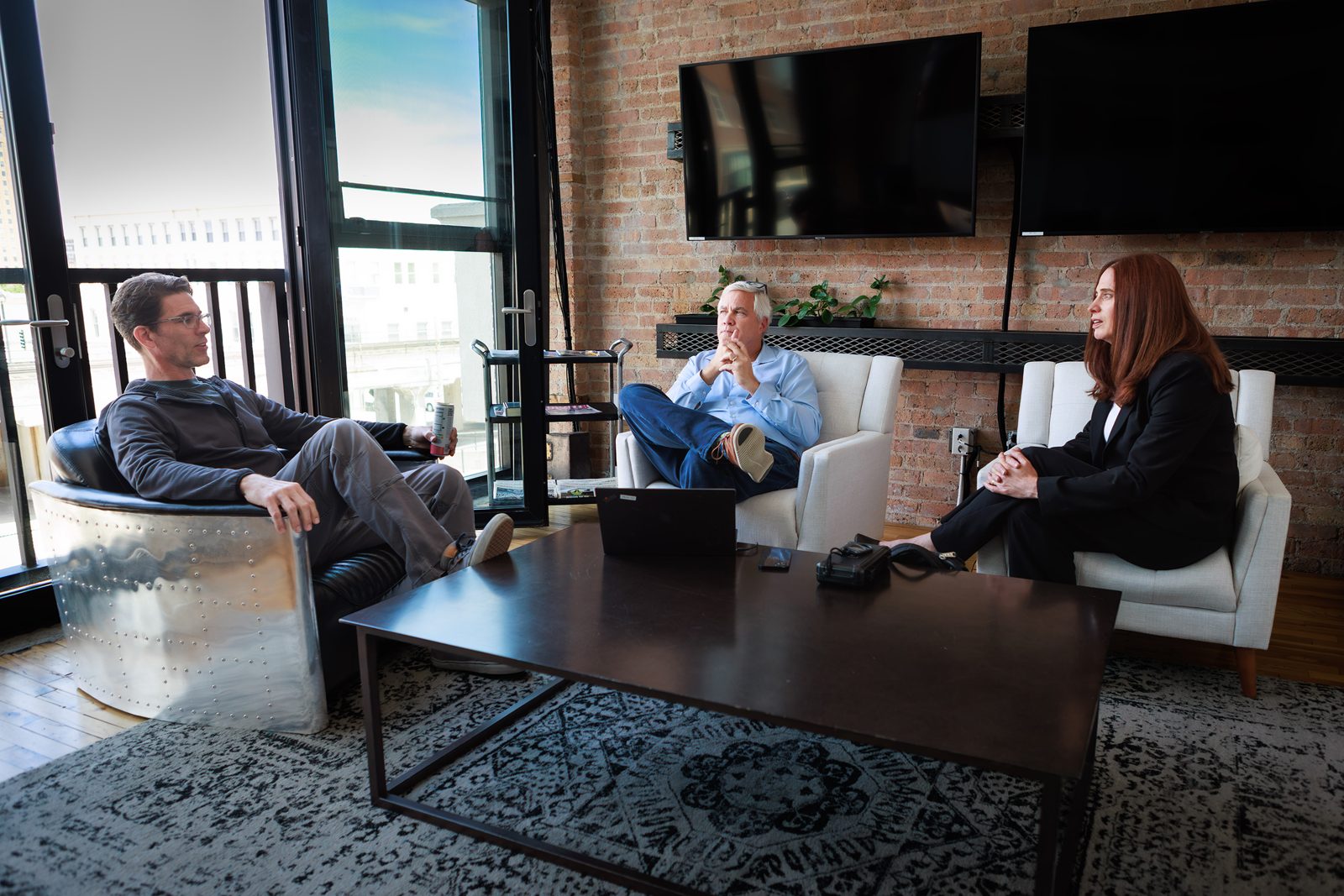
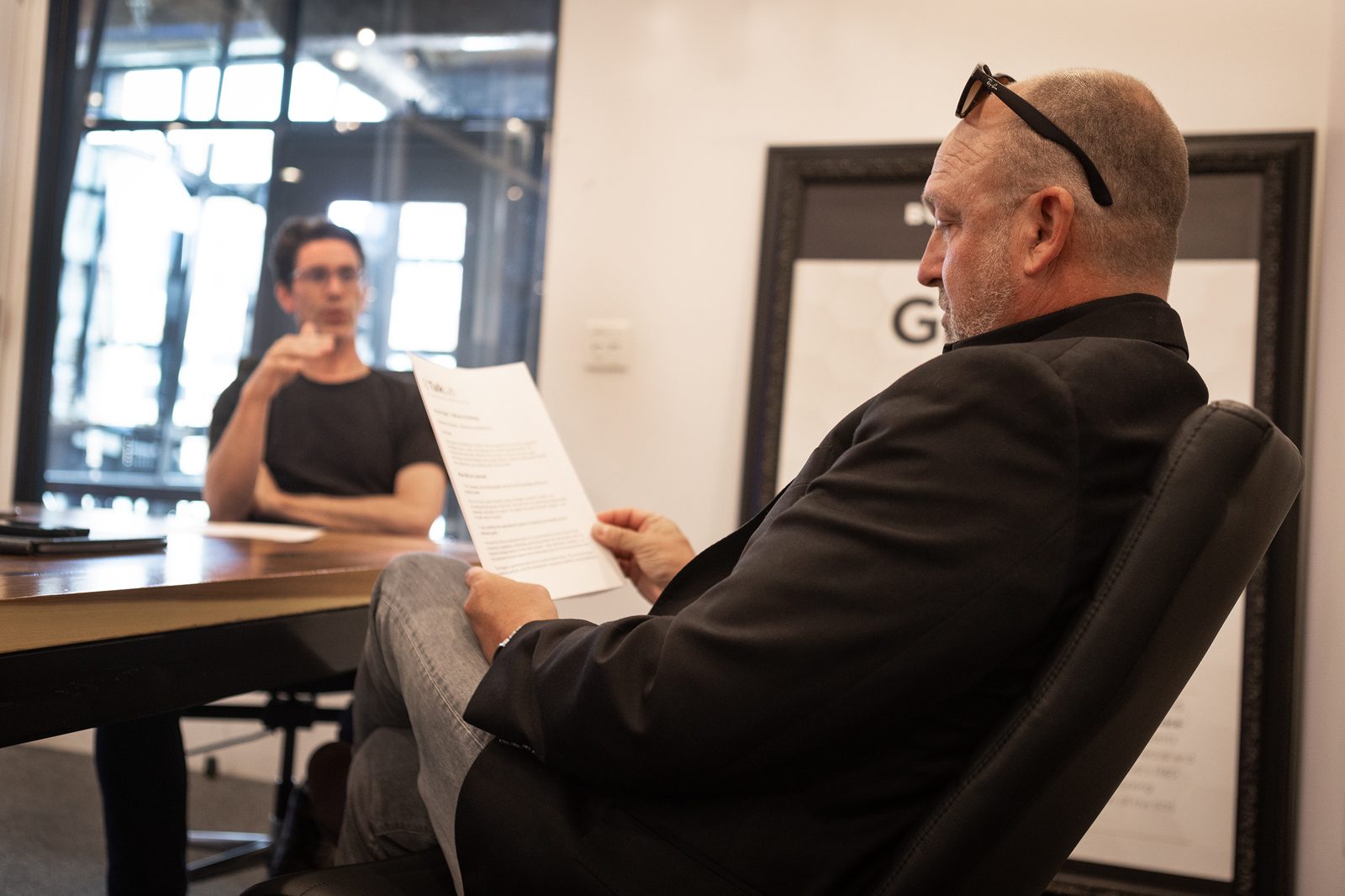
Structured conversations with you and your key people — the origin stories, the decisions, the contradictions. No software to learn. No forms to fill out. You already know how to do this.
Your organization's thinking, surfaced and structured — what you know, what you assume, where the knowledge actually lives, and where it's about to walk out the door.
With the map in hand, AI stops being a vendor decision and becomes a leadership decision. You know exactly what to hand it, what to hold back, and why. You're ahead of it instead of behind it. The map is the moat.
If your people can talk about their work, we can map it. That's the whole entry requirement.
Serious organizations put governance in place before they turn AI loose on their data — the rules, the permissions, the guardrails. That's the right instinct, and it takes time. But here's what most leaders miss: the map doesn't touch any of that. Building it involves no data connectors, no system access, no exposure of anything your governance is designed to protect. It's structured conversation.
So the map is the work you can start today — while the governance framework catches up. By the time the rules are ready, you're not starting cold. You already know exactly what you're governing, and why.
I'm Jimi Allen. If you run a company, you're carrying most of it around in your head — the customers, the history, the reasons behind every decision. Nobody else has the whole picture. I've spent twenty-five years working on exactly that problem: first behind a camera, then running my own company and sitting with leaders, listening until things came into focus.
The camera taught me something I still use every day: the story is never just where you point the lens. You have to go find it. AI is remarkable at holding and organizing everything a conversation turns up — but it can't find the story. That part is still human. That's what I do in the room.
So we sit down and talk. What's been in your head becomes something you can actually see — and then hand to your team, or to AI, however you want.
No junior consultants. No platform login. Just me, working with you until the picture is clear.
It starts with the map. Everything else follows from what the map reveals — at your pace, on your terms. Month to month. No long contract to sign before you've seen what this is.
Write me a few lines about your organization. I'll respond personally, and we'll find an hour to talk. No deck required. No preparation needed.
Email Jimi — Start the map